

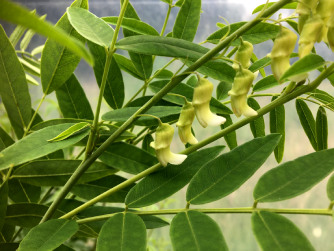
Glycyrrhiza glabra (Licorice) 9 cm Pot
A half-hardy perennial with tall stems and finely divided foliage, valued for its sweet-rooted rhizomes. Traditionally used for adrenal fatigue and soothing respiratory and digestive irritation.
Description
Growth habit & appearance: Licorice forms a vigorous colony of underground rhizomes that push up tall, elegant stems reaching around 1.2 m. The leaves are pinnate with a soft, matte green finish, giving the plant a distinctly leguminous look. In summer, small pale flowers appear in loose clusters, followed by elongated seed pods, but the true visual interest lies in the substantial root system beneath the soil.
Growing conditions: In Ireland, this half-hardy species must be given warmth and shelter to thrive. A polytunnel, greenhouse, or south-facing walled bed is ideal, as it responds poorly to prolonged cold, wet soils. Full sun is necessary for strong root development. Though not a native plant, it can overwinter reliably if protected from deep frost and provided with free-draining soil enriched with compost.
Traditional & herbal uses: The thick, sweet rhizomes have been traditionally employed for adrenal fatigue, coughs and sore throats, peptic irritation, and inflammatory bowel discomfort. Its naturally sweet constituents have long been appreciated in herbal preparations, confectionery, and flavouring.
Maintenance & harvesting: Licorice expands steadily underground, so allocate ample root space or contain it within a bed. Water consistently during warm spells and mulch heavily to conserve soil warmth. Avoid overwatering in winter. Harvest mature roots only after the plant has died back in late autumn; older crowns yield thicker, more aromatic material. Handle rhizomes carefully, as they can splinter. Plants grown outdoors require frost protection in colder counties.
Reviews
There are yet no reviews for this product.